 company
 (866) 755-7519









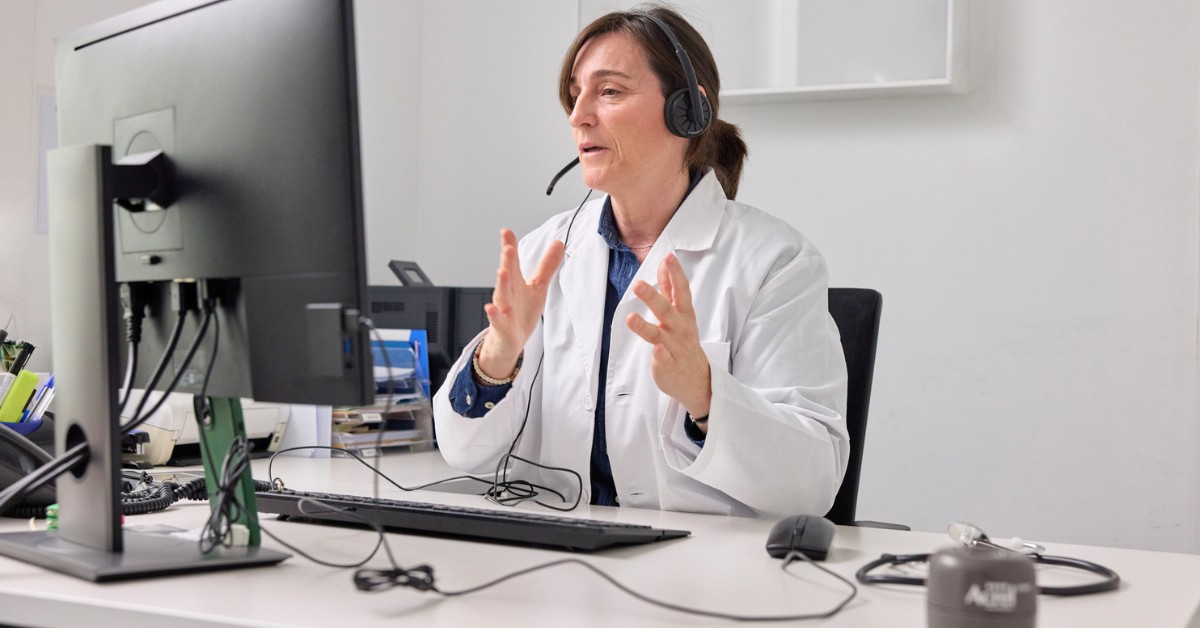
How Staff-Augmented Telehealth Strengthens Cardiology and Anesthesiology Programs
Staff‑augmented telehealth—where remote specialists support onsite teams—has become one of the most effective ways for hospitals to address rising patient demand against stretched staffing and tighter margins.
In cardiology and anesthesiology, these models are already improving efficiency, strengthening clinical quality, and expanding access across health systems of every size.
Across all service lines, the value of this approach comes from the same core strengths: expanding specialist capacity, shortening time‑to‑decision, standardizing care, and reducing unnecessary transfers, admissions, and cancellations. Each of these operational improvements has a direct effect on quality, safety, and financial performance.
Tele-Echo: 24/7 Remote Echo Reading for Faster Diagnosis
Echocardiography is essential for diagnosing heart failure, valve disease, and cardiomyopathy. Many hospitals, particularly smaller and community sites, struggle with delayed reads, especially nights and weekends. Staff-augmented tele-echo connects local imaging teams with remote, board-certified readers to close that gap.
Impact on Turnaround Time and Patient Flow
With 24/7 remote reading capabilities, echo turnaround times can improve from days to under 24 hours. AI-assisted tools can compress this further. Faster interpretation reduces bottlenecks in the ED and inpatient units, and earlier diagnosis of conditions like heart failure cuts length of stay while improving outcomes.
These programs also expand access: a review of more than 20 studies found that community and rural hospitals can deliver high-quality echo interpretation without recruiting local cardiologists, narrowing the quality gap between smaller hospitals and large tertiary centers.
Remote Arrhythmia Monitoring: Reducing ED Visits and Readmissions
Remote teams reviewing data from wearable ECG patches, implanted devices, and loop recorders can filter alerts, escalate only meaningful events, and send clear recommendations back to local clinicians without requiring the patient to come in.
Clinical and Financial Outcomes
This model reduces alert fatigue and keeps medication adjustments — for AFib, ventricular arrhythmia, or device-detected events — out of the ED. Earlier detection accelerates decisions about anticoagulation, rhythm control, or ablation. One study found that home arrhythmia monitoring programs reduced hospital readmissions by 44% and saved over $10 million over six years.
Tele-ICU: Remote Intensivist Support for Cardiac and Post-Op Patients
Through tele‑ICU programs, remote intensivists can support multiple ICUs simultaneously. This is especially valuable for hospitals that can’t provide 24/7 onsite intensivist coverage.
Standardization, Surveillance, and Fewer Transfers
Remote teams help standardize adherence to evidence‑based bundles for procedures like ventilation and sedation, and enable continuous surveillance of vitals, labs, and telemetry. This means physicians can recognize the signs of deterioration sooner, decreasing complication rates, ICU stays, and mortality in many programs.
For cardiac and post‑operative patients, tele‑ICU support is particularly impactful. Remote intensivists can guide hemodynamic management, arrhythmia treatment, and escalation to advanced therapies. This reduces unnecessary transfers and helps keep appropriate patients local while still ensuring timely access to specialty care. Further, tele-ICU implementation has been shown to significantly decrease mortality and ICU length of stay (LOS).
Virtual Pre-Op Assessments: Reducing Surgery Cancellations and No-Shows
Pre‑operative evaluation is one of the clearest examples of how telehealth improves both efficiency and outcomes. Virtual pre‑op clinics—often staffed by nurse practitioners or physician assistants with remote anesthesiologist oversight—facilitate the capture of complete histories, medication reviews, and risk assessments before the day of surgery.
OR Utilization and Patient Experience
Day-of-surgery cancellations caused by uncontrolled comorbidities, missing tests, or unclear cardiac risk drop when pre-op is handled remotely in advance. A 2021 study found that remote pre-op assessments for bariatric surgery patients reduced no-shows by 38% year over year. The practice can also stabilize first‑case starts and reduce last‑minute schedule changes, which improves OR utilization and surgeon satisfaction.
Studies show that tele‑pre‑op visits have higher completion rates and similar safety outcomes compared to in‑person visits. Virtual assessments also take less time, improve patient understanding of NPO and medication instructions, and reduce travel burdens, especially for frail or cardiac patients.
Why Staff-Augmented Telehealth Works in Cardiology and Anesthesiology
These programs succeed because they address the most common operational pain points hospitals face in both specialties:
- Coverage and Capacity Without Full-Time Hires
Remote specialists extend coverage to nights, weekends, and low-volume sites without requiring additional permanent staff. This virtual bench strength stabilizes scheduling and supports consistent care across the system. - Shorter Time-to-Decision
Remote echo reads, continuous arrhythmia monitoring, and tele-ICU surveillance reduce the time between a clinical signal and a clinical decision. Earlier diuresis, rhythm control, anticoagulation, or escalation of care leads directly to better outcomes. - Standardization Across the System
Telehealth programs often embed checklists, order sets, and structured documentation into the workflow. This reduces unwarranted variation and supports guideline-based care across all facilities in a health system, not just the flagship location. - Smarter Triage and Resource Use
Telehealth helps keep stable patients local, reserving transfers for those who genuinely need advanced therapies. This reduces transport costs, keeps families closer to home, and frees capacity at receiving facilities.
Staff‑augmented telehealth is a proven model that expands specialist capacity, improves patient outcomes, and strengthens operational performance. These programs shorten the time from signal to action, reduce variation across the system, and help hospitals deliver consistent, high‑quality care regardless of location or staffing constraints.
VitalSolution provides scalable telehealth cardiology and anesthesiology programs that support hospitals of all sizes. Contact us to learn more.