General Cardiology Fact Sheet 2026

Your comprehensive guide to career opportunities, compensation and market trends

General cardiology is one of the most in-demand medical specialties right now. This fact sheet covers what you need to know about salaries, the job market, who’s in the field, what the work is like and the problems the specialty faces.

Your Earning Potential

Most cardiologists earn between $553,000–$700,000, with a median income around $625,000.1,2,4
However, this amount can vary depending on your experience, where you work and where you live.

ENTRY LEVEL

$450K–$550K

First Five Years

AVERAGE

$520K–$690K

Annual Compensation

EXPERIENCED

$650K–$750K

15+ Years with Established Practice

Salary By Practice Setting

PRACTICE SETTING AVERAGE ANNUAL SALARY NOTES
Large Hospital Systems $500,000–$650,000 Includes benefits, CME allowances, malpractice coverage
Academic Medical Centers $480,000–$600,000 Teaching opportunities, research stipends, pension plans
Private Practice $550,000–$750,000 Higher earning potential, productivity-based pay
Rural / Underserved Areas $575,000–$800,000 Premium pay, loan forgiveness, relocation bonuses

Top Paying States

States that typically offer the highest salaries for general cardiologists:

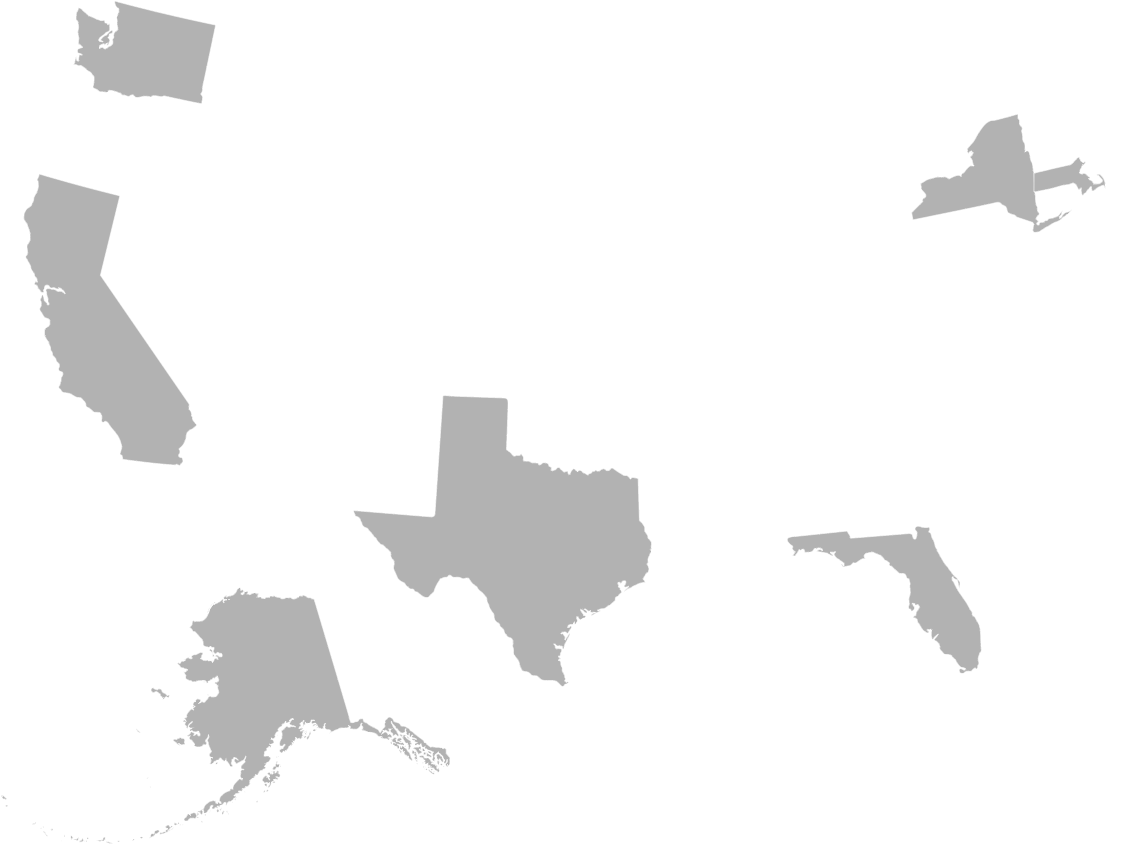
  • California: $645,000
  • Washington: $640,000
  • New York: $600,000
  • Alaska: $575,000
  • Massachusetts: $550,000

States that are also popular because they have no state income tax, which means more money in your pocket:

  • Texas: $480,000 – $800,000
  • Florida: $520,000 – $750,000
Salary Map

Note: These figures depend on experience, practice type and local conditions. Consider cost of living when comparing offers.

Job Market Outlook

Demand for cardiologists continues to grow faster than supply of physicians. The U.S. Bureau of Labor Statistics projects 5% growth by 2033, above the 4% average growth for all occupations.7

Meanwhile, the AAMC predicts we’ll be short 5,800 to 15,800 cardiologists by 2030.

icon

Demand for cardiologists expected to grow

5%

by 2033

icon

The industry projects a shortage of

8,650+

cardiologists by 2037

icon

Counties across the United States report

46%

lack a cardiologist

Why Demand Is So High

icon
Aging Population: The baby boomer generation is getting older, people need more heart care. About half of U.S. adults have some form of cardiovascular disease. That number keeps rising as obesity, diabetes and high blood pressure become more common.
icon
Geographic Gaps: Almost half of U.S. counties don’t have a cardiologist. That leaves roughly 22 million Americans without local access to specialized heart care. Rural areas are even worse off—about 86% of rural counties have zero access to a cardiologist.
icon
Increased Job Choice: Jobs are available everywhere: hospitals, private practices, academic centers and telehealth companies. You can work inpatient, outpatient or both. Schedule options vary too—8-hour, 10-hour, and 12-hour shifts with different call arrangements.
Medical Scene

Cardiologists generate up to seven times their salary in revenue for hospitals.

Average pay is around $565K, and there aren’t enough doctors to meet demand.

Who’s In Cardiology

Gender Breakdown

The cardiology workforce is mostly male, but women’s representation is increasing. Female cardiologists have grown 23% from 2016 and represent 21% of all cardiology fellows.

Male
84.5%
Female
15.5%

Age Distribution

Cardiologists have an average age of 59 years, the highest average age of any specialty. More than half of practicing cardiologists are over 55, and 26.5% plan to retire within 5-10 years.

Under 55
35.1%
Over 55
64.9%

Finding Work-Life Balance

Non-invasive cardiology has a more predictable schedule than interventional cardiology, though the work is still demanding. Across the field, long hours, high patient volumes, emergency call responsibilities and increasing administrative tasks challenge a sustainable work-life balance.

For cardiologists, the high stakes of patient care and rapid pace of clinical decision-making add to stress and burnout, making it a growing priority for the profession.

Typical Schedule

icon

Hours/Week

40-60 Office hours, on average

icon

Call Time

Common to take on-call duty on evenings & weekends for 24/7 care.

icon

Clinical Work

Mix of outpatient clinics, impatient consultations and diagnostic testing.

icon

Admin

Documentation care, coordination, quality improvement

Job Satisfaction

88%

Of cardiologists are moderately to very satisfied with their career

34%

Say patient relationships are the most rewarding part of their job

23%

Say being good at what they do is the most rewarding part of their job

60%+

Are satisfied with their financial compensation

Alternative Scheduling Options

Many healthcare organizations now offer non-traditional arrangements like job sharing, part-time positions and slow-down schedules to increase job satisfaction and improve retention.

Some organizations, like VitalSolution, use block scheduling where cardiologists work 7 days on, then get a full 7 days off. This schedule offers 26 weeks off per year while earning a full-time salary.

The consistent schedule makes it easier to plan your life outside of medicine, and VitalSolution’s multi-year contracts (typically 1-3 years) provide income stability and predictable time off, which many physicians prefer over traditional employment models.

Future of Tech & AI

icon

AI is improving efficiency and accuracy in echocardiography

Intelligence-assisted tools can automate measurements, flag abnormalities and generate high-accuracy preliminary interpretations, saving time and helping extend access amid workforce shortages.

icon

AI can help reduce administrative burden and burnout

Ambient AI scribes and automation can cut documentation time by up to ~70%, reduce after-hours work and are associated with drops in clinician burnout.

icon

AI supports—does not replace—cardiologists

These technologies function as assistants for repetitive and time-consuming tasks, while physician judgment, clinical expertise and patient communication remain essential as the field integrates AI responsibly.

Ready to Explore Your Cardiology Career Options?

Cardiology is evolving quickly, and understanding these changes is essential to delivering great patient care and building a sustainable career. VitalSolution helps you stay informed and take action with practical insights, tools, and support.

Connect with us to join a community committed to navigating change and building a more fulfilling future in cardiology.

References & Data Sources

This fact sheet brings together information from peer-reviewed medical journals, government agencies (U.S. Bureau of Labor Statistics, AAMC, HRSA), professional medical associations (ACC, MGMA, AHA), and established physician compensation survey organizations (Medscape, Doximity, MedAxiom). All salary figures, statistics, and projections come from peer-reviewed publications, government data, and industry reports published between 2024-2026.

Click to Expand References

1. Medscape Physician Compensation Report 2025. Published April 2025. medscape.com.
2. 2024 MGMA DataDive Provider Compensation and Productivity Data Report. Published May 2024.
3. Doximity 2025 Physician Compensation Report. Published May 2024.
4. All Star Healthcare Solutions. “Cardiologist Salary Guide 2026.” Published January 2026.
5. MedAxiom. “Supply and Demand Imbalances Drive Starting Cardiology Compensation Upward.” Published March 2025.
6. Association of American Medical Colleges (AAMC). “The Complexities of Physician Supply and Demand: Projections from 2021 to 2036.”
Published March 2024.
7. U.S. Bureau of Labor Statistics. Occupational Employment and Wage Statistics. Accessed February 2026.
8. Medicus Healthcare Solutions. “An Inside Look at the Cardiology Workforce: Shortages, Demand, and Strategic Responses.” Published
September 2025.
9. AMN Healthcare. Physician Workforce Report 2025. Published January 2025.
10. American College of Cardiology. “A Workforce in Crisis: Navigating the Cardiovascular Clinician Shortage.” ACC.org, June 2025.
11. Minhas AMK, et al. “County-Level Cardiologist Density and Mortality in the United States.” Journal of the American Heart Association.
2023;12(23).
12. Mehrotra P, et al. “Current Demographic Status of Cardiologists in the United States.” JAMA Cardiology. 2019;4(10).
13. Gender Disparities in Cardiology: Learning From History to Envision the Future. JACC: Advances, March 2025.
14. Medicus Healthcare Solutions. “Cardiology Workforce Demographics Report 2025.”
15. American College of Cardiology Women in Cardiology Section. Multiple publications 2024-2025.
16. Ennis SR, et al. “Forecasting the Burden of Cardiovascular Disease and Stroke in the United States Through 2060.” Journal of the American
College of Cardiology. 2022.
17. American Heart Association. Heart Disease and Stroke Statistics—2025 Update. Circulation. 2025.
18. Mehta LS, et al. “Burnout and Career Satisfaction Among U.S. Cardiologists.” Journal of the American College of Cardiology.
2019;73(25):3345-3348.
19. Medscape Lifestyle and Happiness Report 2025. Published 2025.
20. Mallick S, et al. “Work Environment, Burnout, and Intent to Leave Current Job Among Cardiologists.” Journal of the American Heart
Association. 2024;13(18).
21. MedAxiom. 2024 Cardiovascular Provider Compensation and Production Survey. Published 2024.
22. Medical Group Management Association. “Understanding Provider Employment and Compensation Trends.” Various publications 2024-2025.
23. Vukadinovic M, et al. “Comprehensive echocardiogram evaluation with view primed vision language AI.” Nature. 2025.
24. Sahashi Y, et al. “EchoNet-Measurements: Automated echocardiographic quantification.” JACC. 2025.
25. American College of Cardiology. “Research at ASE 2025: AI in Echocardiography.” September 2025.
26. 2025 Watch List: Artificial Intelligence in Health Care. NCBI Bookshelf. 2025.
27. Olson KD, et al. “Ambient Artificial Intelligence Scribe Linked to Reduction in Burnout.” Yale School of Medicine. 2025.
28. Biswas S, et al. “Artificial Intelligence for Cardiovascular Care in Action.” JACC. 2025.
29. MedAxiom. “Industry Partnership With Basata to Streamline Administrative Burden Using AI Agents.” October 2025.
30. American Heart Association. “Scientific Advisory on Evaluating and Monitoring AI in Healthcare.” November 2025.